
Notice Board

DRDO furthers India's semiconductor and quantum technology objectives


As India pursues its Aatmanirbhar Bharat and Viksit Bharat 2047 ambitions, developing domestic expertise in semiconductors and quantum infrastructure is becoming an important part of its technological and industrial strategy.


India is stepping up efforts to strengthen its semiconductor and advanced technology capabilities, with the Defence Research and Development Organisation (DRDO) bringing indigenous chip development, artificial intelligence, quantum computing and defence research closer to industrial application.

The initiative reflects the growing strategic importance of semiconductors, which underpin modern defence systems, telecommunications, artificial intelligence, navigation, surveillance and aerospace technologies. For India, developing domestic expertise in these fields is increasingly linked to national security, technological self-reliance and its ambition of becoming a developed economy by 2047.

At the Emerging Science, Technology and Innovation Conclave (ESTIC) 2026, held at Bharat Mandapam in New Delhi from October 27 to 29, DRDO led a dedicated session on semiconductors and next-generation chips, while showcasing technologies developed across its laboratories. The discussions brought together industry representatives, researchers, academia and indigenous chip-development organisations to explore opportunities in advanced semiconductor design and manufacturing.

The session, chaired by Distinguished Scientist and Director General of Electronics and Communication Systems Dr BK Das, examined artificial intelligence System-on-Chips (SoCs), intelligence at the silicon edge and emerging microprocessor technologies. Discussions also focused on strengthening collaboration with Indian industries and start-ups to accelerate indigenous chip development.

Among the key technologies displayed were Gallium Arsenide (GaAs) and Gallium Nitride (GaN)-based Monolithic Microwave Integrated Circuits (MMICs), Multi-Chip Modules and Infrared Focal Plane Arrays (IRFPAs), developed by DRDO’s Solid State Physics Laboratory in Delhi.

These specialised semiconductor components have direct applications in advanced radar systems, electronic warfare and missile technology. MMICs support high-frequency and high-power electronic systems, while infrared focal plane arrays enable imaging systems in tactical missiles to detect and track targets during their terminal flight phase.

The exhibits included Short-Wave Infrared, Mid-Wave Infrared and Long-Wave Infrared technologies, highlighting India’s growing domestic capabilities in advanced infrared sensing and defence electronics.

Beyond conventional microelectronics, DRDO showcased scramjet engine technology, neuromorphic accelerators, Photonic Integrated Circuits, Quantum Random Number Generators and laser proximity sensors. The organisation also displayed advanced communication systems, quantum technology prototypes, energy management systems and protective equipment for military personnel.

Neuromorphic accelerators, inspired by the human brain’s information-processing architecture, are being explored for more efficient computing, pattern recognition and real-time artificial intelligence applications. Photonic integrated circuits and quantum technologies represent other emerging areas with potential applications in advanced communications, sensing and computing.

A significant development in India’s quantum technology programme came on September 24, when DRDO signed its first high-value deep-tech project agreement with Zero mK India Private Limited, a start-up based in Alwar, Rajasthan.

The agreement, signed under DRDO’s Technology Development Fund (TDF) scheme, covers the indigenous development of a 20 millikelvin dilution refrigerator for quantum applications. It is the first high-value project under a dedicated corpus of Rs 500 crore approved by Defence Minister Rajnath Singh.

A dilution refrigerator is specialised equipment capable of producing extremely low temperatures approaching absolute zero. Such conditions are essential for operating and testing certain quantum computing systems, particularly those using superconducting processors.

The project aims to strengthen India’s domestic expertise in advanced cryogenic equipment, reduce dependence on imported systems and create opportunities for deep-tech start-ups to participate in strategic technology development.

It also complements the National Quantum Mission, approved in April 2023 with an allocation of Rs 6,003.65 crore. The mission focuses on developing domestic capabilities in quantum computing, communications, sensing and quantum materials.

DRDO’s research is part of India’s wider effort to establish a comprehensive semiconductor industry. The Union Cabinet approved Semicon 2.0 in July 2026 with a financial outlay of Rs 1,27,500 crore, expanding the country’s ambitions across chip design, semiconductor manufacturing equipment and materials, fabrication, advanced packaging, research and development, and talent development.

The first phase of the India Semiconductor Mission, launched in December 2021 with an initial allocation of Rs 76,000 crore, secured approval for 12 projects across six states, involving investments exceeding Rs 1.64 lakh crore. Five projects had commenced commercial production by October 2026.

The programme has also supported 105 start-ups with access to electronic design automation tools, while 24 start-ups have received funding. Under the Chips to Startup programme, 332 institutions have received access to design tools and approximately 70,000 students have undergone training.

On November 6, Electronics and Information Technology Minister Ashwini Vaishnaw launched the Semicon 2.0 web application portal and announced 12 additional approvals under the Electronics Components Manufacturing Scheme.

India’s semiconductor research infrastructure also includes institutions such as the Gallium Arsenide Enabling Technology Centre, Semiconductor Technology and Applied Research Centre and Semiconductor Laboratory, which contribute to specialised semiconductor devices, micro-electromechanical systems and silicon-process technologies.

The combination of DRDO’s defence-focused semiconductor research, government-backed manufacturing initiatives and collaboration with domestic start-ups reflects India’s effort to develop capabilities across the advanced technology value chain.

Indigenous chips and specialised electronic components are particularly important for defence systems that require high reliability, precision and performance under demanding operating conditions. At the same time, investments in artificial intelligence, photonics and quantum technologies could support wider applications in communications, computing, aerospace and industrial research.

As India pursues its Aatmanirbhar Bharat and Viksit Bharat 2047 ambitions, developing domestic expertise in semiconductors and quantum infrastructure is becoming an important part of its technological and industrial strategy.
  
****************************************************

Republic Day Reception on 26 January 2027

Republic Day Reception on 26 January 2027

The Embassy of India, Kuwait, will be organising a Republic Day Reception on 26 January 2027, attended by Kuwaiti dignitaries, members of the diplomatic corps and other distinguished guests.

Interested cultural groups, associations and individual performers are invited to propose suitable cultural performances showcasing India's rich cultural traditions and diversity.

As this is a formal diplomatic reception, performances should be elegant, culturally appropriate and in keeping with the dignity and decorum of the occasion.

Interested participants are requested to share brief details of their proposed performances, including the number of performers, approximate duration and relevant music tracks or other materials, well in advance for the Embassy's review.

Proposals may be emailed to edu.kuwait@mea.gov.in or interest may be confirmed via WhatsApp at 60337131 / 97229946.

We look forward to your cooperation and participation.

Kuwait prohibits commercial exploitation of photos of His Highness the Amir and the Crown Prince


The Ministry of Commerce and Industry has warned commercial establishments, companies and individuals against displaying, selling or promoting goods and publications bearing images of His Highness the Amir Sheikh Meshal Al-Ahmad Al-Jaber Al-Sabah and His Highness the Crown Prince Sheikh Sabah Khaled Al-Hamad Al-Sabah, or using the State of Kuwait’s emblem for commercial purposes.

In a press statement, the ministry said the restrictions are stipulated under Ministerial Resolution No. 216 of 2014, particularly Article 16, which prohibits public and private institutions, companies, commercial establishments and individuals from using images of the Amir and Crown Prince or the state emblem as trademarks on goods, products and publications of any kind.

The regulation also prohibits the sale, display or promotion of products bearing such images, as well as any use of the state emblem in a manner that could be considered degrading or inappropriate.

The ministry stressed that its inspection teams are continuing field visits to markets across all governorates to identify violations and ensure compliance with the regulations.

It added that legal action will be taken against individuals and commercial entities found breaching the ministerial resolution, reaffirming the need for businesses to respect the rules governing the use of national symbols and images of the country’s leadership.

  
****************************************************

Indian Film Thursdays

Indian Film Thursdays

Untitled

RRR, a Telugu film with English subtitles, is an epic tale of friendship, courage and sacrifice set against the backdrop of India's freedom struggle. Through the journeys of two revolutionaries, the film portrays the fight against colonial oppression and the enduring spirit of those who stood up for freedom and justice.

As we approach Constitution Day (26 November), join us for a film that celebrates the spirit of freedom, the pursuit of justice and the ideals that continue to shape our nation.

📅 Thursday, 19 November 2026
📍 Auditorium, Embassy of India
🕔 5:00 PM

Narendra Modi Dr S. Jaishankar Kirtivardhan Singh Ministry of External Affairs, Government of India Diaspora India Connect Press Information Bureau - PIB, Government of India DDNewsLive All India Radio News AniNews

What You Should Know About Children's Dental Health and Diabetes


Nasser Al-Saeed Center for Pediatric Dentistry recently organised an awareness event to highlight the impact of diabetes on children’s oral and dental health, stressing the importance of early prevention, proper dental care and blood sugar control.

The center’s acting head, Dr Muhammad Al-Hassan, warned that uncontrolled diabetes can cause dry mouth, increase the risk of tooth decay, gum inflammation and bacterial and fungal infections. Poor oral hygiene and untreated dental decay can also make it more difficult for children and their parents to manage blood sugar levels.

He stressed that parents should inform dentists about their children’s diabetes and provide their full medical history, as diabetic children require specific treatment protocols and appointment schedules, particularly regarding treatment timing and insulin doses.

Assistant Undersecretary for Dental Affairs at the Ministry of Health Dr Ahmed Asad said integrated awareness and treatment programmes are essential to protect the teeth, gums and jawbones of children with diabetes.

The event also saw the launch of a sensory disorders clinic to improve dental treatment for autistic children. Treatment begins with attempts to use a regular dental chair, followed by a sensory-friendly environment when needed, with general anaesthesia considered as a last resort.

The Ministry of Health currently operates two specialised clinics for these children, at Farwaniya Dental Specialisation Centre and Nasser Al-Saeed Centre, with another clinic planned at Jahra Specialized Center for Children’s Dental Treatment within approximately one month.

The event involved 18 participating entities showcasing alternative food products, snacks, sweets and juices suitable for children with diabetes.

  
****************************************************

Insurance disputes will be handled electronically under the new Kuwait rules


Kuwait’s insurance customers will soon have a simpler way to file and follow up on complaints against insurance companies, with new regulations requiring insurers to respond and issue a decision within three working days.

Insurance Regulatory Unit Decision No. 52 of 2026, published in the Official Gazette Kuwait Al-Youm, establishes an electronic complaints system accessible through the unit’s website, using authentication via the Public Authority for Civil Information’s My Identity application.

Each complaint will receive a unique reference number, and complaints or supporting documents submitted through other channels will not be accepted. Under the new rules, insurance companies must review complaints, verify the insurance relationship, request any missing documents and submit the complete claim file with supporting evidence.

“Insurance companies must issue a final decision within three working days of receiving a complaint. The decision must explain the facts, reasons for accepting or rejecting the complaint, relevant legal and insurance grounds, and the basis for calculating compensation, where applicable.”

Customers who are dissatisfied with a company’s response may refer their complaint to the Insurance Regulatory Unit after seven days from the original submission, but no later than 30 days. Complaints not escalated within this period will be automatically closed.

The Complaints Committee is authorised to decide on, dismiss or close complaints, and its decisions are binding. Interested parties may appeal its decisions to the Grievances Committee within 30 working days of their issuance, with notifications delivered electronically through the complaints system.

The decision also empowers the unit to impose administrative fines on insurance companies for each escalated complaint in which negligence or failure to meet their obligations is established. Fines are imposed by the Disciplinary Board and must be paid within 15 days of notification of its decision.

Companies may also face legal liability if 15 complaints against them are decided in favour of customers within a calendar year, or if they refuse to implement a Complaints Committee decision. Failure to submit complete claim files or provide required documents within the specified deadlines also constitutes a violation.

The regulations require licensed insurance companies to maintain written procedures for receiving, investigating and resolving customer complaints, publish these procedures on their websites, assign responsible officers and ensure customers are informed of complaint outcomes.

The decision also allows individuals and licensed companies to complain against insurance companies that refuse or unjustifiably delay implementing final court judgments in favour of complainants, subject to specified legal and enforcement conditions.

Decision No. 52 of 2026, issued on November 9, repeals the previous complaints regulations under Decisions No. 1 of 2022 and No. 6 of 2023 and takes effect from the date of its issuance.

  
****************************************************

India simplifies visa procedures, reducing categories to nine and paperwork by 70%


India has simplified its visa regime by reducing the number of visa categories from 13 to nine and cutting application form requirements by up to 70 percent, the Ministry of Home Affairs (MHA) said. The move aims to streamline procedures, reduce paperwork and make it easier for foreign nationals to travel to India.

Under the revised framework, the number of sub-categories has also been reduced from 49 to 23. The nine main categories are Business, Diplomatic, Work, Journalist, Medical, Official, Student, Visitor and Miscellaneous visas.

One of the notable changes is the renaming of the Tourist Visa as the Visitor Visa, which is divided into two categories. The V-1 visa allows multiple entries over 30 days for eligible short-term activities, including business meetings, medical consultations, wellness retreats and short courses. The V-2 category offers validity of one, five or 10 years, subject to eligibility and approval.

Medical visas have been reorganised to cover conventional medical treatment and AYUSH-based treatment, with visas ordinarily issued for one year with multiple entries. Separate provisions have also been made for accompanying attendants.

Student visas have been consolidated into S-1 and S-2 categories, covering school and higher education, research, PhD programmes, internships and academic exchange programmes. Eligible students applying through the Study in India portal may receive multiple-entry visas valid for up to five years or the duration of their course, whichever is shorter.

Business visas have also been restructured into B-1 and B-2 categories. While B-1 covers long-term business activities, B-2 caters to short-term contractual assignments, conferences, sporting events, cultural performances and film production. A dedicated provision under B-2 will cover technical specialists and engineers involved in industrial projects.

The MHA is updating its information technology systems to implement the revised framework, with visas under the new system expected to be issued by the end of 2026. The rationalisation was introduced on August 27, 2026.

The changes apply to foreign nationals travelling to India and do not introduce visa-free entry, changes in visa fees or automatic extensions of existing visas. Applicants will continue to be subject to the applicable eligibility requirements.

  
****************************************************

Kuwait increases attempts to enter the iconic Kuwait Towers on the UNESCO World Heritage List


Kuwait has intensified efforts to nominate the Kuwait Towers for inclusion on the UNESCO World Heritage List, with three ministers holding a joint meeting with an international advisory mission and representatives of relevant national authorities to review the nomination file and the requirements for securing international recognition.

The meeting brought together Minister of Education Eng. Sayed Jalal Al-Tabtabai, Minister of State for Communications and Information Technology and Acting Minister of Information and Culture Omar Al-Omar, and Minister of State for Municipal Affairs and Minister of State for Housing Affairs Eng. Abdul Latif Al-Mashari. It coincided with the visit of the international advisory mission to Kuwait from November 9 to 12.

According to a Ministry of Education statement, the meeting is part of national efforts to support the nomination process and preserve the historical and cultural significance of the Kuwait Towers, one of the country’s most prominent landmarks, symbolizing Kuwait’s urban development and cultural identity.

The meeting was attended by Secretary-General of the National Council for Culture, Arts and Letters Dr Muhammad Al-Jassar, Assistant Secretary-General for the Arts Sector Musaed Al-Zamil, Acting Director of the National Commission for Education, Culture and Science at the Ministry of Education Athari Al-Qallaf, UNESCO World Heritage Centre representative Alessandro Bassamou, and international cultural heritage expert at the International Council on Monuments and Sites (ICOMOS) Nicholas Clark, along with specialists and representatives of concerned authorities.

Discussions focused on the technical and procedural requirements of the nomination file, applicable international standards and the documentation needed to demonstrate the historical, architectural and cultural value of the Kuwait Towers. Participants also examined ways to strengthen coordination between national authorities and the international advisory mission to complete the nomination process.

The meeting highlighted the importance of unifying the efforts and approaches of government agencies to ensure compliance with international requirements and safeguard the site’s outstanding global value. Participants also stressed the need to balance heritage protection with the requirements of urban development and modernization.

The ministry emphasized the importance of continued institutional cooperation and completing the necessary technical studies and documentation to advance the nomination. The initiative reflects Kuwait’s commitment to protecting its historical and architectural landmarks and preserving its cultural heritage for future generations.

  
****************************************************

Kuwait activated entry and exit notifications using the Sahel app


The Ministry of Interior has introduced new electronic notifications through the “Sahel” application, allowing citizens and residents to access details of their entry into and departure from Kuwait through land, sea and air border crossings, while providing direct access to related government services.

For departing travellers, the services include issuing emergency travel documents and contacting the consular call centre. Upon arrival, users can access customs declaration services and report lost luggage.

The new notification system also enables users to report any errors in their travel records, providing a convenient way to verify and correct travel-related information electronically.

  
****************************************************

The Ministry of the Interior warns against unauthorized bus rental activities


The Ministry of Interior warned against using buses for transportation or rental activities beyond the scope of licenses granted to companies.

In a press statement on Tuesday, the ministry urged the public to deal with licensed bus rental companies and ensure that both the company and bus are authorized to transport workers or school students, depending on the service required. It stressed that compliance with laws and regulations protects everyone.

  
****************************************************

Kuwait supports proxy processing of 18 traffic transactions through 'My Identity'.


The Ministry of Interior has introduced a facility allowing customers who cannot attend traffic departments in person to complete 18 different traffic transactions through authorized representatives, following electronic authentication via the ‘My Identity’ application.

The service is intended to make traffic procedures easier for people who are unable to visit the concerned departments, allowing their representatives to complete the transactions once the electronic authentication process has been completed.

According to the Ministry, the available services cover vehicle ownership transfers, vehicle export procedures, issuance of replacement number plates for lost or damaged plates, vehicle registration renewal, collection of vehicle number plates and cancellation of vehicle licences.

The facility also covers parental approval for transferring vehicle ownership into the name of a minor, registration of new vehicles and vehicle scrapping procedures.

Other services include new vehicle inspections, driving licence transactions, market permits, transfer of traffic violations, withdrawal of driving licences under the traffic points system, and renewal and issuance of traffic signature approvals.

The remaining services include the release of impounded vehicles and referral of traffic violations to court.

The Ministry said the initiative forms part of its efforts to simplify procedures, improve the services provided to the public and reduce the time and effort required to complete traffic transactions.

By allowing representatives to handle these procedures following electronic authentication, the facility provides an alternative for customers who cannot attend in person while improving the efficiency of service delivery.

  
****************************************************

Kuwait recommends fingerprint login and two-factor authentication to protect digital accounts from hacking


The Cybercrime Department of the Ministry of Interior has urged smartphones and digital applications users to activate available security features to protect their online accounts and personal information from hacking and electronic fraud.

In an awareness message issued in both Arabic and English, the department has highlighted the importance of using built-in cybersecurity tools, particularly two-factor authentication (2FA), fingerprint login and features designed to detect identity theft and impersonation.

The department said activating these security measures will strengthen digital protection and reduce the risk of unauthorized access to personal accounts and sensitive information.

The advisory forms part of ongoing awareness campaigns by the General Department of Cybercrime to promote safe digital practices and educate the public about ways to prevent cybercrime.

  
****************************************************

India rewrites its poverty tale; 496 million people rise beyond the poverty level


India has recorded a remarkable shift in its socioeconomic landscape, with nearly 496 million people moving above the World Bank’s lower-middle-income poverty threshold between 2011–12 and 2023–24, highlighting the scale of the country’s progress in expanding economic opportunities and improving household living conditions.

The figures point to one of the most significant poverty reductions in recent history. According to the World Bank assessment cited in the report, the share of India’s population living below the $4.20-a-day threshold declined from 57.7 percent in 2011–12 to 16.1 percent in 2023–24.

The reduction in extreme poverty has been equally striking. The proportion of people living on less than $3 a day fell from 27.1 percent to 2.6 percent over the same period, indicating substantial improvements in access to basic necessities and economic security.

The transformation has extended across both rural and urban India. Rural extreme poverty dropped from 31 percent to 3.1 percent, while the urban rate declined from 17.4 percent to 1.4 percent. The figures underline how poverty reduction has reached communities beyond major cities, including rural populations that have traditionally faced deeper economic disadvantages.

A combination of welfare programs, financial inclusion and infrastructure expansion has contributed to this progress. Wider access to banking through the Pradhan Mantri Jan Dhan Yojana, Aadhaar-linked direct benefit transfers, subsidized food distribution, rural electrification, sanitation facilities and improved digital connectivity have strengthened the economic security of millions of households.

The distribution of free food grains to vulnerable families has also played an important role in protecting households against food insecurity and economic shocks. India’s expanding economy has provided an important foundation for these developments, generating resources for infrastructure investment, public services and social protection.

The experience also reflects the cumulative impact of economic reforms, agricultural improvements, expanding markets and welfare initiatives introduced by successive governments.

While the government led by Prime Minister Narendra Modi has accelerated welfare delivery and digital public infrastructure, the country’s poverty reduction has been shaped by policies and reforms extending across several administrations. However, the scale of the achievement should not overshadow the challenges that remain.

The World Bank estimates that approximately 35 million people in India continue to live in extreme poverty, while around 232 million remain below the broader $4.20-a-day threshold. Moving above an internationally defined poverty line does not necessarily mean achieving financial stability. Many households remain vulnerable to rising healthcare expenses, insecure employment, inadequate housing and barriers to quality education.

This makes the next phase of India’s development particularly important. The challenge is no longer limited to lifting people above poverty thresholds but ensuring that they remain economically secure and have access to sustainable opportunities.

Stronger manufacturing, productive employment, improved education, affordable healthcare and greater participation by women and young people in the economy will be essential to consolidating the gains. The debate over poverty measurement, consumption surveys and international benchmarks will continue, but the scale of the reported decline remains significant.

For a country representing nearly one-fifth of the world’s population, the movement of almost half a billion people above a major poverty threshold marks a profound socioeconomic shift. The achievement reflects improvements in household circumstances while highlighting the importance of ensuring that economic growth translates into lasting benefits for all sections of society.

India’s next development milestone will therefore depend not simply on how many people cross the poverty line, but on how successfully the country can protect those gains, create secure livelihoods and extend prosperity to the millions who remain economically vulnerable.

  
****************************************************

The Traffic Department explains what motorists should know about the five-second warning at traffic signals


Kuwait’s General Directorate of Traffic has reminded motorists to pay attention to the flashing warning lights at traffic signals, explaining that the system provides a five-second warning before the lights change to help drivers react safely and avoid sudden manoeuvres.

In an awareness video released by the Ministry of Interior, the Traffic Department explained how motorists should respond to the flashing green and red lights, stressing that the feature is designed to improve safety at intersections and reduce accidents, particularly rear-end collisions.

A flashing green light signals drivers to prepare to stop gradually and safely as the signal is about to turn yellow and then red. Motorists are advised against sudden braking, which could put vehicles behind them at risk.

A flashing red light, meanwhile, tells drivers to remain stationary and prepare to proceed, but only when the signal actually turns green. The department stressed that motorists must not move while the red light is flashing.

The Traffic Department emphasized that the flashing lights serve as advance warnings, not independent instructions to stop or proceed. Drivers were urged to remain calm, stay alert and follow the actual traffic signal before taking action.

The Ministry of Interior activated the flashing-light warning feature at traffic signals last August to give motorists and pedestrians time to prepare for signal changes, with the aim of improving safety and traffic flow at intersections.

  
****************************************************

The Commerce Ministry has launched a consolidated portal that provides all services on one platform


The Ministry of Commerce and Industry has launched a unified digital portal bringing all its services under a single platform, in a move aimed at streamlining procedures, simplifying access to commercial services and enhancing the user experience.

The new portal features an artificial intelligence-powered system designed to guide users towards the services they need, facilitate procedures and improve the overall efficiency of service delivery.

The initiative is expected to provide business owners and service applicants with easier and faster access to the ministry’s electronic services through a unified digital interface.

  
****************************************************

Embassy of India, Kuwait Celebrated Diwali Diwaniya (2-3 November 2026)

Embassy of India, Kuwait Celebrated Diwali Diwaniya (2-3 November 2026)

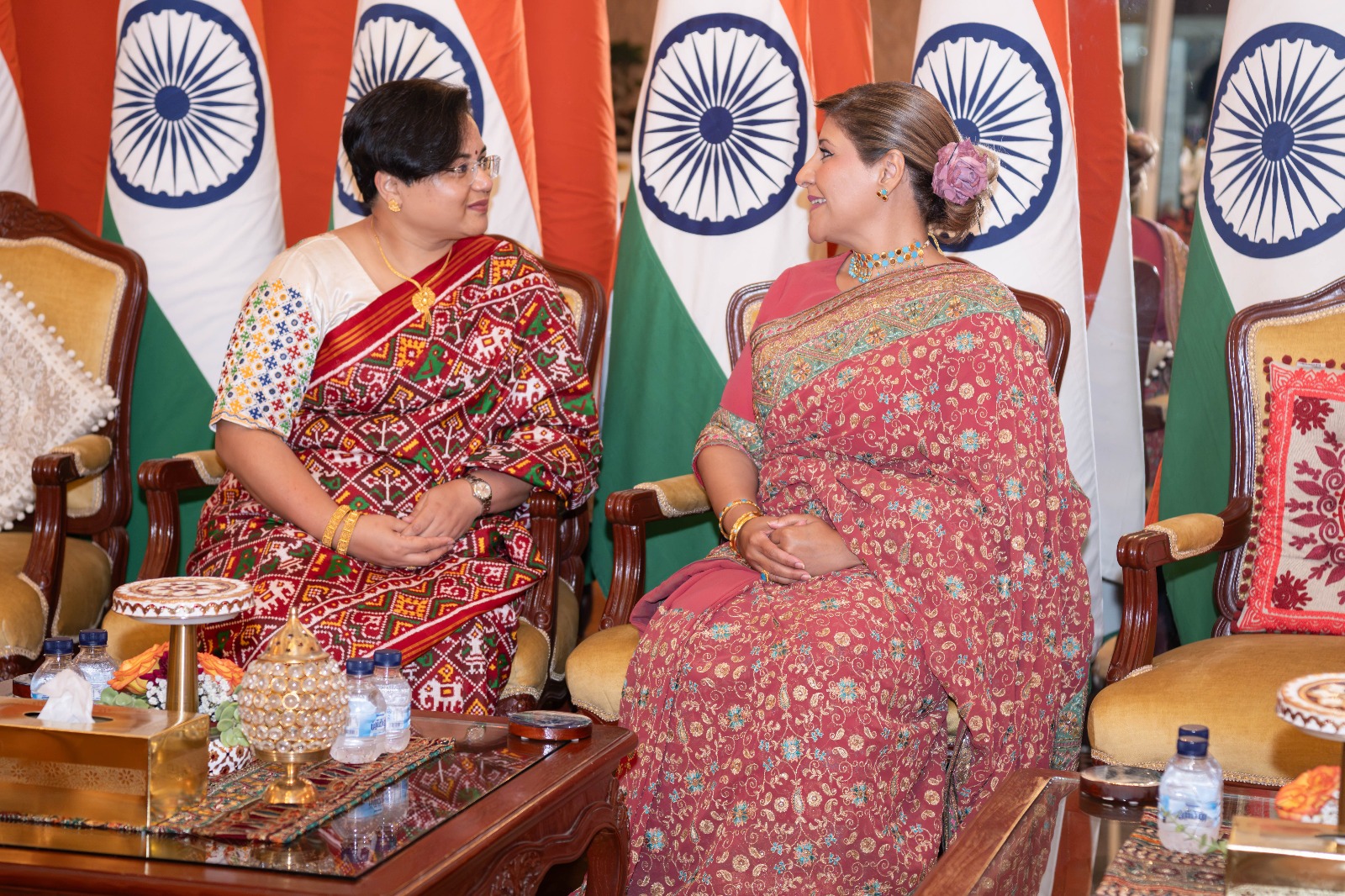
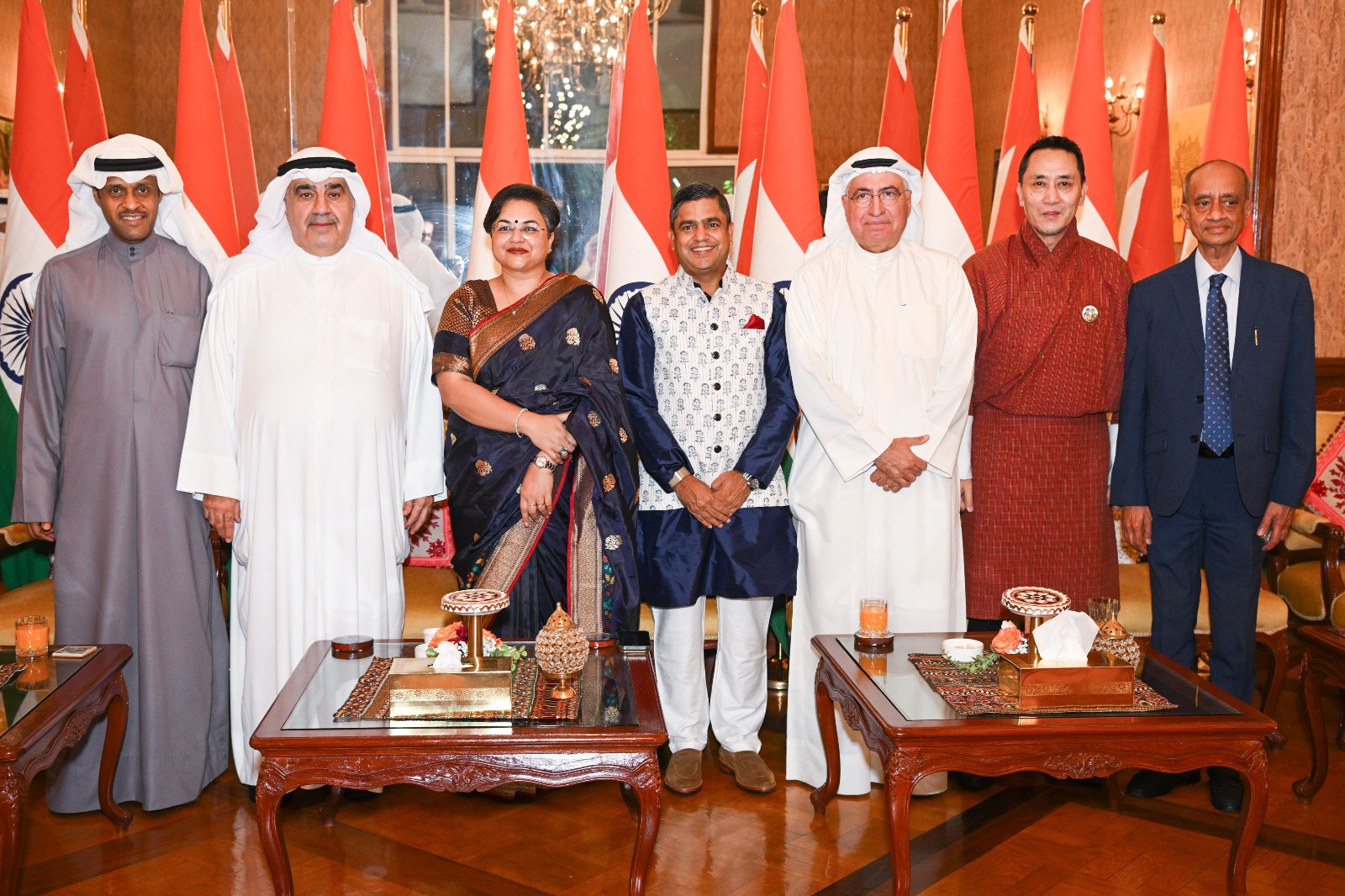
WhatsApp Image 2026 11 04 at 8.46.24 PM2 11zon1.      The Embassy of India in Kuwait organised a unique “Diwali Diwaniya” at India House on 2 and 3 November 2026, bringing together the festive spirit of Diwali, India’s Festival of Lights, and Kuwait’s traditional culture of Diwaniya. The event also commemorated 65 years of the establishment of India–Kuwait diplomatic relations, celebrating the enduring friendship and strong cultural ties between the two countries. It showcased the rich cultural heritage of both countries and highlighted the shared values of hospitality, togetherness and community bonding that form the strong bulwark of people-to-people ties in the long-standing and friendly India–Kuwait relations

2.       The celebrations held special significance as both Diwali and the Kuwaiti Diwaniya were inscribed on UNESCO’s Representative List of the Intangible Cultural Heritage of Humanity in 2025. The event celebrated these two living traditions and their shared values of cultural exchange, dialogue, hospitality and community participation.

3.       The two-day celebrations featured distinct programmes for a diverse audience. The Diwali Diwaniya on 2 November 2026 was hosted by the Ambassador of India to Kuwait, Mrs. Paramita Tripathi, and her spouse, Dr. Pradyumn Tripathi. The event brought together Kuwaiti dignitaries, members of the diplomatic corps, representatives of the Indian community, the media and business communities, and friends of India. The evening featured live instrumental music, offering guests a glimpse of India’s rich musical traditions.

4.       A special Diwali Diwaniya for women was organised on 3 November 2026 at India House, hosted by Ambassador Mrs. Paramita Tripathi. The programme featured vibrant dance and Kathak fusion performances by local Indian artists. A special fashion presentation showcased Indian textiles through contemporary designs inspired by Kuwaiti couture, presented by models. Guests also had the opportunity to experience traditional Indian mehndi (henna) art and saree draping, celebrating India’s diverse textile and cultural traditions.

5.       The celebrations also offered guests an opportunity to experience India’s diverse cultural heritage through traditional cuisine, arts, handicrafts and tourism. A selection of Indian delicacies and regional specialities highlighted the richness of the country’s culinary traditions.  Festive decorations, traditional lighting and a Diwaniya-inspired setting created a warm and welcoming atmosphere, reflecting the cultural traditions of both countries.

6.       The event also featured a special showcase of Indian handicrafts under the Government of India’s One District One Product (ODOP) initiative, promoting distinctive products and traditional craftsmanship from districts across the country. The display included an array of exquisite crafts and art forms, such as blue pottery, lamps, intricate filigree work and paintings, offering guests a glimpse into India’s rich artistic traditions. The showcase celebrated the creativity and skills of local artisans and highlighted the importance of preserving and promoting India’s traditional crafts.

7.       The Embassy of India expresses its sincere appreciation to Indian Heritage for its valuable support and cooperation in organising the celebrations.

8.       For further information regarding the event, please contact the Embassy of India in Kuwait at pol.kuwait@mea.gov.in.

WhatsApp_Image_2026-11-04_at_8.46.18_PM1_11zon.jpg WhatsApp_Image_2026-11-04_at_8.46.18_PM_11zon.jpg WhatsApp_Image_2026-11-04_at_8.46.20_PM_11zon.jpg WhatsApp_Image_2026-11-04_at_8.46.21_PM1_11zon.jpg WhatsApp_Image_2026-11-04_at_8.46.21_PM2_11zon.jpg WhatsApp_Image_2026-11-04_at_8.46.21_PM3_11zon.jpg WhatsApp_Image_2026-11-04_at_8.46.21_PM_11zon.jpg WhatsApp_Image_2026-11-04_at_8.46.22_PM1_11zon.jpg WhatsApp_Image_2026-11-04_at_8.46.22_PM2_11zon.jpg WhatsApp_Image_2026-11-04_at_8.46.22_PM_11zon.jpg WhatsApp_Image_2026-11-04_at_8.46.23_PM1_11zon.jpg WhatsApp_Image_2026-11-04_at_8.46.23_PM2_11zon.jpg WhatsApp_Image_2026-11-04_at_8.46.23_PM_11zon.jpg WhatsApp_Image_2026-11-04_at_8.46.24_PM1_11zon.jpg WhatsApp_Image_2026-11-04_at_8.46.24_PM2_11zon.jpg WhatsApp_Image_2026-11-04_at_8.46.24_PM_11zon.jpg WhatsApp_Image_2026-11-04_at_8.46.25_PM1_11zon.jpg WhatsApp_Image_2026-11-04_at_8.46.25_PM2_11zon.jpg WhatsApp_Image_2026-11-04_at_8.46.25_PM_11zon.jpg WhatsApp_Image_2026-11-04_at_8.46.26_PM1_11zon.jpg WhatsApp_Image_2026-11-04_at_8.46.26_PM2_11zon.jpg WhatsApp_Image_2026-11-04_at_8.46.26_PM_11zon.jpg

Experts argue that safe driving begins at home, and they urge parents to follow traffic laws


Safe driving must be treated as a family responsibility and an essential part of children’s upbringing, with parents urged to set an example by respecting traffic laws and demonstrating responsible behavior on the road, family and social experts have said.

Former Secretary-General of the Supreme Council for Family Affairs and family counsellor Dr Maryam Al-Azmi said responsible driving goes beyond traffic skills, as it teaches children discipline, self-control, respect for the law and concern for the safety of others.

She stressed that parents who follow traffic rules help protect their families while instilling values that children carry into adulthood. Al-Azmi said parental supervision should begin before children enter a vehicle. Parents should explain the importance of road safety, wearing seat belts and protecting the lives of passengers and other road users.

Family relations consultant Nawal Al-Muhaini said parents must demonstrate safe behavior by fastening seat belts, ensuring children remain properly seated and preventing them from leaning or hanging out of vehicle windows.

She added that children’s awareness is also shaped by how parents manage their speed, reactions, anger and frustration while driving.

Hamoud Aqla Al-Anzi, a member of the American International Society for Cost Engineering Development, said respect for traffic laws begins at home. He urged parents to obey traffic signals, give way to other motorists, avoid using mobile phones while driving and refrain from cutting queues or blocking roads, regardless of time pressures.

Al-Anzi stressed that parents should never justify traffic violations or teach children that breaking rules is acceptable when someone is in a hurry. He said adults must also acknowledge and correct their mistakes rather than attempting to avoid responsibility.

The experts called for stronger cooperation between families and schools through joint traffic-awareness programs, regular discussions about road safety and clear household rules. They stressed that children are more likely to develop lasting respect for traffic laws when they see their parents consistently practicing safe driving.

  
****************************************************

CBK requests the public to report unlicensed financial transactions


The Central Bank of Kuwait (CBK) has urged the public to report individuals or entities carrying out financial activities without its authorization, warning that such practices could put customers’ funds at risk and undermine the stability of the country’s economy.

In a post on its official account on X, the bank said activities requiring reporting include money transfers, the provision of financing and the operation of electronic payment links without a licence.

The CBK called on the public to share any relevant information by calling 22972999 or emailing Unlicensed@cbk.gov.kw.

The bank stressed that public cooperation is essential to combating unlicensed financial activities, protecting customers from financial risks and maintaining a safe financial environment.

  
****************************************************

GTD directs delivery motorcycles to ride on the right side of the road


The Ministry of Interior has reaffirmed the continuation of traffic campaigns targeting delivery motorcycle drivers to ensure compliance with traffic regulations and take legal action against violators.

The campaigns form part of broader efforts to enhance road safety and curb dangerous driving practices that pose risks to motorcyclists and other road users.

The ministry said inspections are focusing on ensuring delivery motorcycle riders remain on the right side of the road, stop only in designated areas and comply with lane markings, road signs and traffic signals.

Drivers have also been advised to wear protective helmets and observe traffic rules at all times to reduce the risk of accidents and injuries.

The ministry stressed that the ongoing campaigns aim to promote responsible driving, improve compliance with traffic regulations and create safer roads for all users.

  
****************************************************

The Kuwaiti Army will conduct live-fire training in southern areas from November 1 to 5


The Kuwaiti Army has announced that some of its units will conduct live-ammunition firing exercises in the southern part of the country from November 1 to November 5, 2026.

In a notice issued by the Directorate of Moral Guidance and Public Relations, the General Staff of the Army informed citizens and residents of the scheduled exercises.

The public is advised to take note of the announcement and observe any safety instructions issued by the authorities.

  
****************************************************