
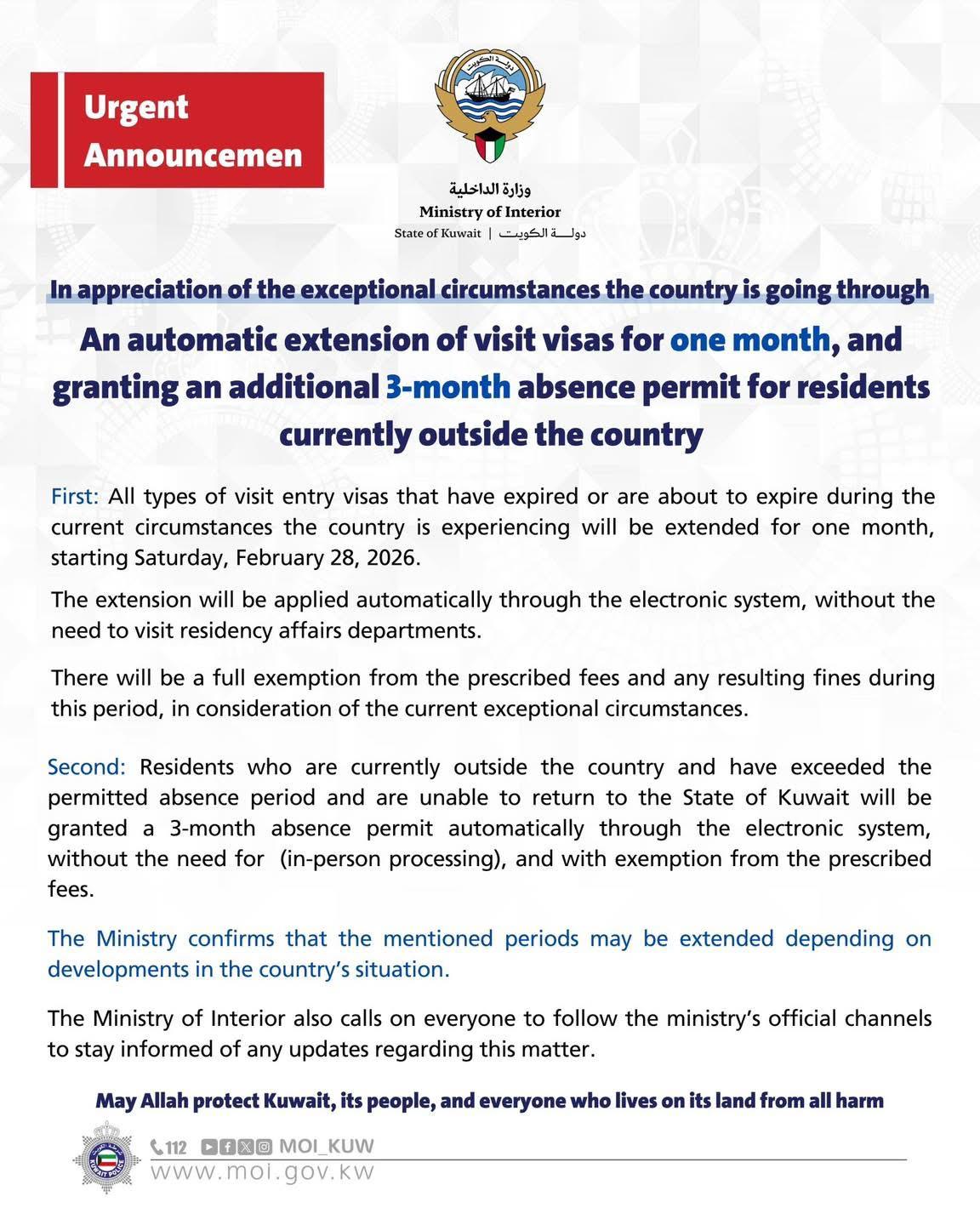
Notice Board

Comprehending Kuwait's New Sahel Salary Deduction Notifications


This guide is mainly for: Private-sector employees registered under the Public Authority for Manpower (PAM).

Important: Payroll rules and complaint routes can differ for government employees and domestic workers (who are governed under separate regulations). Always follow the exact category shown in your official employment records.

How the Sahel Salary Notification Works

PAM’s electronic wage monitoring process is designed to reduce “silent” underpayment in the private sector. In simple terms:

  1. Your employer deposits salary into your local bank account (as required under the wage deposit framework).
  2. PAM’s monitoring system detects whether the deposit reflects a shortage that needs explanation.
  3. If a shortage is detected, you may receive an alert through the Sahel (سهل) app to view the reason and related status.

Why this is a big deal: the worker gets visibility, and the employer is pushed to document and justify any shortage using official channels.

What Details You’ll See in the Notification

When a salary shortage is flagged, the Sahel notification typically aims to show:

  • The deposited salary amount (and the shortage compared to the expected wage record)
  • The “reason” recorded for the shortage (as entered by the employer, if entered)
  • Company file status (whether the case is pending clarification / compliance action)

Note: Exact labels can vary as Sahel services are frequently updated.

What Counts as a “Shortage” (Common Reasons)

Not every alert means wrongdoing. Shortages can appear for valid reasons—but they must be properly recorded and supported.

Common valid reasons (if documented properly)

  • Unpaid leave (approved leave without pay)
  • Absence days (unauthorized absence affecting salary)
  • Disciplinary deductions (must follow written procedures and limits)
  • Court-ordered deductions (e.g., alimony within limits)

Common “false alarm” situations

  • Salary paid in two separate transfers (part now, part later)
  • Late deposit (deposit happens after the due window)
  • Employer payroll mapped incorrectly (wrong month / wrong employee record)

Your Legal Rights (Kuwait Labour Law Basics)

These are the core wage rules employees should know (private sector):

  • Payment frequency & timing: Monthly employees must be paid at least once a month, and wages should not be delayed beyond the 7th day after the due date.
  • Bank deposit requirement: Employers must deposit wages into the worker’s account at a local financial institution (wage deposit framework).
  • Limits on disciplinary deductions: Deductions as a penalty cannot exceed five days’ wage per month (with any excess carried forward).
  • Limits on debt/loan deductions: For employer debts/loans, deductions are capped (commonly cited as 10%), with separate rules for other debts such as alimony within specified limits.

Practical takeaway: Even when deductions are legal, they must be justified, documented, and within legal limits.

Penalties & Company File Suspension (What Happens to Employers)

Under the current enforcement approach reported in Kuwait in 2026, when wage shortages are detected and not clarified properly, PAM can apply administrative actions such as:

  • Suspension / temporary closure of the company file
  • Blocking certain transactions until the wage issue is clarified and resolved

This pressure mechanism is meant to ensure employers address underpayment quickly and compensate affected workers where required.

Employer Responsibility: Ashal/AS’HAL Salary Shortage Documentation

Employers are expected to use the Ashal (أسهل) / AS’HAL company system to record any salary shortage and provide the legal reason. Good compliance practice includes:

  • Entering the shortage against the correct employee/month
  • Choosing the appropriate legal reason (leave, absence, disciplinary action, etc.)
  • Attaching supporting documentation where required (approvals, warning letters, absence reports)

Why this protects workers: it creates an official record that can be reviewed in disputes.

What Employees Should Do If They Receive a Deduction Alert

Step-by-step checklist (do this same day)

  1. Take a screenshot of the Sahel notification (date/time + amount + reason).
  2. Check your bank statement to confirm the deposited amount and date.
  3. Ask HR in writing for the exact justification and supporting documents (leave approval / disciplinary memo / court order).
  4. Verify if it’s a split payment: Ask whether a second transfer is scheduled.
  5. If unresolved, use PAM worker e-services to submit an inquiry/complaint and attach your proof (Sahel screenshot + bank statement).

How This Helps Employees AND Companies

How it helps employees

  • Transparency: Workers are alerted when a shortage is detected instead of discovering it months later.
  • Evidence: Sahel notifications support workers when raising disputes and complaints.
  • Faster resolution: Many issues are fixed quickly once the employer is forced to justify the shortage.

How it helps companies (especially compliant employers)

  • Fewer misunderstandings: Clear recorded reasons reduce disputes and rumors.
  • Early error detection: Payroll mapping or bank transfer mistakes can be corrected before becoming formal cases.
  • Compliance protection: Proper documentation helps the company avoid escalating penalties and file suspension.
 
****************************************************

Experts caution that early childhood development is threatened by excessive screen usage


Pediatric and developmental psychology experts have raised concerns over excessive screen exposure among young children, particularly those under the age of three, warning that it not only weakens language and social skills but also deprives children of essential sensory, motor, and cognitive experiences that form the foundation of healthy development.

Specialists stress that replacing real-world play with virtual engagement denies the developing brain the rich and complex stimulation it needs. Recent studies link prolonged screen time in early childhood to speech delays, reduced attention and concentration, and difficulties in emotional regulation.

According to experts, the issue is not limited to the type of content viewed, but also the nature of the medium itself. While screens appear interactive, they are largely passive, limiting the development of “reciprocal interaction” — the back-and-forth social engagement through which children learn to read facial expressions, interpret tone of voice, and respond appropriately.

Researchers emphasize that the early years of life represent a critical period for brain development, when neural connections are formed at a rapid pace in response to real-world experiences.

Key areas affected include:

  • Fine motor skills: Activities such as holding a physical book or stacking blocks activate important brain regions.
  • Sensory development: Children learn by tasting, smelling, touching, and listening to their environment.
  • Socio-emotional growth: Imaginative play with peers and adults helps children develop “theory of mind,” or the ability to understand that others have different thoughts and feelings.
  • Problem-solving skills: Unstructured play allows children to face real challenges, encouraging patience, creativity, and resilience.

Despite these concerns, experts acknowledge that screens are now an unavoidable part of modern life. Rather than fostering parental guilt, they recommend practical strategies: setting firm time limits, choosing high-quality interactive content, co-viewing with children, and ensuring that screen-free time is filled with free play, reading, and direct social interaction.

  
****************************************************

Meditation: An easy, quick method of stress reduction


If stress has you anxious, tense and worried, you might try meditation. Spending even a few minutes in meditation can help restore your calm and inner peace.

Anyone can practice meditation. It's simple and doesn't cost much. And you don't need any special equipment.

You can practice meditation wherever you are. You can meditate when you're out for a walk, riding the bus, waiting at the doctor's office or even in the middle of a business meeting.

Understanding meditation

Meditation has been around for thousands of years. Early meditation was meant to help deepen understanding of the sacred and mystical forces of life. These days, meditation is most often used to relax and lower stress.

Meditation is a type of mind-body complementary medicine. Meditation can help you relax deeply and calm your mind.

During meditation, you focus on one thing. You get rid of the stream of thoughts that may be crowding your mind and causing stress. This process can lead to better physical and emotional well-being.

Benefits of meditation

Meditation can give you a sense of calm, peace and balance that can benefit your emotional well-being and your overall health. You also can use it to relax and cope with stress by focusing on something that calms you. Meditation can help you learn to stay centered and keep inner peace.

These benefits don't end when your meditation session ends. Meditation can help take you more calmly through your day. And meditation may help you manage symptoms of some medical conditions.

Meditation and emotional and physical well-being

When you meditate, you may clear away the information overload that builds up every day and contributes to your stress.

The emotional and physical benefits of meditation can include:

Giving you a new way to look at things that cause stress.

Building skills to manage your stress.

Making you more self-aware.

Focusing on the present.

Reducing negative feelings.

Helping you be more creative.

Helping you be more patient.

Lowering resting heart rate.

Lowering resting blood pressure.

Helping you sleep better.

Meditation and illness

Meditation also might help if you have a medical condition. This is most often true if you have a condition that stress makes worse. A lot of research shows that meditation is good for health. But some experts believe there's not enough research to prove that meditation helps. With that in mind, some research suggests that meditation may help people manage symptoms of conditions such as:

Anxiety.

Asthma.

Cancer.

Chronic pain.

Depression.

Heart disease.

High blood pressure.

Irritable bowel syndrome.

Sleep problems.

Tension headaches.

Be sure to talk to your healthcare professional about the pros and cons of using meditation if you have any of these or other health conditions. Sometimes, meditation might worsen symptoms linked to some mental health conditions.

Meditation doesn't replace medical treatment. But it may help to add it to other treatments.

Types of meditation

Meditation is an umbrella term for the many ways to get to a relaxed state. There are many types of meditation and ways to relax that use parts of meditation. All share the same goal of gaining inner peace.

Ways to meditate can include:

Guided meditation. This is sometimes called guided imagery or visualization. With this method of meditation, you form mental images of places or things that help you relax. You try to use as many senses as you can. These include things you can smell, see, hear and feel. You may be led through this process by a guide or teacher. Mantra meditation. In this type of meditation, you repeat a calming word, thought or phrase to keep out unwanted thoughts. Mindfulness meditation.This type of meditation is based on being mindful. This means being more aware of the present.

In mindfulness meditation, you focus on one thing, such as the flow of your breath. You can notice your thoughts and feelings. But let them pass without judging them.

Qigong. This practice most often combines meditation, relaxation, movement and breathing exercises to restore and maintain balance. Qigong (CHEE-gung) is part of Chinese medicine. Tai chi. This is a form of gentle Chinese martial arts training. In tai chi (TIE-CHEE), you do a series of postures or movements in a slow, graceful way. And you do deep breathing with the movements. Yoga. You do a series of postures with controlled breathing. This helps give you a more flexible body and a calm mind. To do the poses, you need to balance and focus. That helps you to focus less on your busy day and more on the moment. Parts of meditation Each type of meditation may include certain features to help you meditate. These may vary depending on whose guidance you follow or who's teaching a class. Some of the most common features in meditation include:

Focused attention. Focusing your attention is one of the most important elements of meditation.

Focusing your attention is what helps free your mind from the many things that cause stress and worry. You can focus your attention on things such as a certain object, an image, a mantra or even your breathing. Relaxed breathing. This technique involves deep, even-paced breathing using the muscle between your chest and your belly, called the diaphragm muscle, to expand your lungs. The purpose is to slow your breathing, take in more oxygen, and reduce the use of shoulder, neck and upper chest muscles while breathing so that you breathe better. A quiet setting. If you're a beginner, meditation may be easier if you're in a quiet spot. Aim to have fewer things that can distract you, including no television, computers or cellphones. As you get more skilled at meditation, you may be able to do it anywhere. This includes high-stress places, such as a traffic jam, a stressful work meeting or a long line at the grocery store. This is when you can get the most out of meditation.

A comfortable position. You can practice meditation whether you're sitting, lying down, walking, or in other positions or activities. Just try to be comfortable so that you can get the most out of your meditation. Aim to keep good posture during meditation. Open attitude. Let thoughts pass through your mind without judging them. Everyday ways to practice meditation Don't let the thought of meditating the "right" way add to your stress. If you choose to, you can attend special meditation centers or group classes led by trained instructors. But you also can practice meditation easily on your own. There are apps to use too. And you can make meditation as formal or informal as you like. Some people build meditation into their daily routine. For example, they may start and end each day with an hour of meditation. But all you really need is a few minutes a day for meditation.

Here are some ways you can practice meditation on your own, whenever you choose: Breathe deeply. This is good for beginners because breathing is a natural function.

Focus all your attention on your breathing. Feel your breath and listen to it as you inhale and exhale through your nostrils. Breathe deeply and slowly. When your mind wanders, gently return your focus to your breathing. Scan your body. When using this technique, focus attention on each part of your body. Become aware of how your body feels. That might be pain, tension, warmth or relaxation.

Mix body scanning with breathing exercises and think about breathing heat or relaxation into and out of the parts of your body.

Repeat a mantra. You can create your own mantra. It can be religious or not. Examples of religious mantras include the Jesus Prayer in the Christian tradition, the holy name of God in Judaism, or the om mantra of Hinduism, Buddhism and other Eastern religions. Walk and meditate. Meditating while walking is a good and healthy way to relax. You can use this technique anywhere you're walking, such as in a forest, on a city sidewalk or at the mall. When you use this method, slow your walking pace so that you can focus on each movement of your legs or feet. Don't focus on where you're going. Focus on your legs and feet. Repeat action words in your mind such as "lifting," "moving" and "placing" as you lift each foot, move your leg forward and place your foot on the ground. Focus on the sights, sounds and smells around you.

Pray. Prayer is the best known and most widely used type of meditation. Spoken and written prayers are found in most faith traditions. You can pray using your own words or read prayers written by others. Check the self-help section of your local bookstore for examples. Talk with your rabbi, priest, pastor or other spiritual leader about possible resources. Read and reflect. Many people report that they benefit from reading poems or sacred texts and taking a few moments to think about their meaning.

You also can listen to sacred music, spoken words, or any music that relaxes or inspires you. You may want to write your thoughts in a journal or discuss them with a friend or spiritual leader. Focus your love and kindness. In this type of meditation, you think of others with feelings of love, compassion and kindness. This can help increase how connected you feel to others. Building your meditation skills Don't judge how you meditate. That can increase your stress. Meditation takes practice.

It's common for your mind to wander during meditation, no matter how long you've been practicing meditation. If you're meditating to calm your mind and your mind wanders, slowly return to what you're focusing on. Try out ways to meditate to find out what types of meditation work best for you and what you enjoy doing. Adapt meditation to your needs as you go. Remember, there's no right way or wrong way to meditate.

  
****************************************************

Digital commerce operations are regulated by a new decree-law


Ministry of Commerce and Industry (MoCI) has announced that the e-commerce sector, including online advertisements, promotions and sales of goods and services through social media platforms or buy-and-sell applications will require obtaining a specialized license. The licensing of e-commerce activities comes under a new Amiri decree regulating activities in the digital commerce sector. The move aims to keep pace with global digital transformation while balancing innovation, consumer protection, and transparency in commercial transactions. MoCI has been tasked with regulating and supervising the digital commerce sector, issuing rules for electronic auctions and intermediary platforms, and preparing a schedule of financial penalties.

The law is set to come into force six months after its publication in the Official Gazette. After that period, obtaining a license from the Ministry of Commerce will become mandatory for conducting any digital commercial activity inside Kuwait, whether by individuals or companies.

Advertisements and promotions must clearly disclose the identity of the product or service provider, pricing, specifications, and contact details, while misleading or false promotional content is strictly prohibited. The decree permits providers to offer logistical services such as storage, shipping, transportation, and direct delivery through modern technological solutions or licensed entities inside or outside the country. However, additional charges may not be imposed on consumers unless clearly stated in advance within the electronic contract terms.

When influencers are involved in promotional campaigns, providers must retain all related data, contracts, and records for at least five years and submit them to the ministry upon request. Payments to influencers must also be made through reliable methods that comply with anti-money-laundering regulations and instructions issued by the Central Bank of Kuwait. Any deceptive or misleading promotional practices are prohibited. The decree also requires providers to maintain a business address, disclose commercial registration details and contact information, and clearly present contractual terms, including product descriptions, final pricing, payment methods, offer duration, and return policies.

Consumers are granted the right to withdraw from contracts within 14 days of receiving a product, or to return or replace it without additional cost, provided the product remains in its original condition, except in specified cases.

The announcement of the decree sparked widespread debate across social media platforms, accompanied by numerous questions regarding those subject to the law, licensing procedures, advertising standards in digital commerce, applicable fees, and potential penalties. Under Article 39, violators may face imprisonment of up to one year and fines ranging from KD1,000 to KD10,000, or one of these penalties. Violations include submitting false data, providing forged documents, offering illegal products or services, breaching public order or health regulations, or refusing to comply with decisions of the Dispute Settlement Committee.

Penalties may be doubled in cases of repeat offenses, alongside confiscation of tools or funds linked to violations and closure of the offending business. Responsibility for violations falls on the actual manager of a legal entity if awareness or benefit from the violation is proven. The decree also allows reconciliation procedures in certain offenses to enhance procedural flexibility and reduce judicial burdens. Certain Ministry employees will also be granted judicial enforcement authority to monitor violations.

The decree forms part of a broader government strategy to regulate the digital economy, strengthen confidence in electronic transactions, safeguard consumer rights, and create a more transparent and disciplined digital marketplace in Kuwait.

It also requires adherence to national cybersecurity standards, regular data protection updates, and limits electronic payment processing to entities licensed by the Central Bank, while prohibiting additional payment fees without prior approval.

  
****************************************************

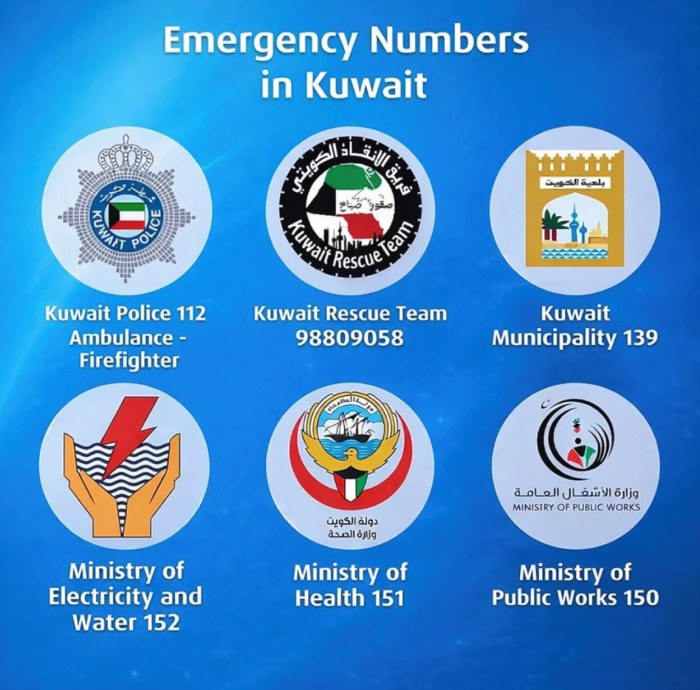
In the midst of regional tensions, Kuwait posts official emergency numbers to protect public safety


As regional tensions continue to evolve, the Government of Kuwait has published a list of official emergency contact numbers to help citizens and residents reach vital government institutions quickly if needed.

The unified emergency hotline 112 connects callers to police, ambulance, and fire services, while other key numbers are made available through the official Kuwait e government portal.

Officials emphasized that in times of uncertainty it is important for the public to have access to reliable information and emergency support, urging everyone to save and use these numbers to report urgent incidents or seek assistance.

Citizens and residents are also reminded to follow instructions from competent authorities and rely on official sources for updates, helping ensure safety and readiness across the country.

IFL Kuwait
  
****************************************************

In order to safeguard consumers, PAFN announces the voluntary withdrawal of infant milk batches


The Public Authority for Food and Nutrition announced a voluntary precautionary withdrawal of certain infant formula products after receiving follow-up reports through the Rapid Alert System for Food and Feed regarding potential safety concerns.

In a statement published Friday on its official account on the social media platform X, the authority said the manufacturing company initiated the voluntary recall of several production batches due to the possible presence of the substance “Cereulide,” prompting precautionary measures aimed at safeguarding consumer health, particularly that of infants.

The authority confirmed that immediate action was taken to halt the circulation and sale of all affected batches, reports Al-Rai daily.

It added that coordination is ongoing with the relevant authorities to ensure the products are withdrawn from markets while implementing all necessary preventive measures to maintain food safety standards and protect public health in Kuwait.

Consumers were urged to carefully check the batch numbers printed on product packaging and to immediately stop using the formula if the numbers match those listed in the official warning.

The authority also called on the public to follow updates and instructions issued through its official communication channels to ensure full compliance with safety guidance.

  
****************************************************

MOH prohibits cash payments in private healthcare facilities and shifts to digital healthcare


The Ministry of Health has issued a circular to all private healthcare sector facilities — including hospitals, medical centers, clinics, dispensaries, laboratories, home healthcare providers, and all licensed private medical establishments — mandating that fees for medical services be collected exclusively through approved banking channels and electronic payment systems, while strictly prohibiting the acceptance of cash payments.

The decision forms part of broader efforts to strengthen financial governance, reinforce transparency and oversight standards, and ensure full documentation of financial transactions in a manner that safeguards the rights of both patients and healthcare providers, reports Al-Rai daily.

The move is also aimed at enhancing discipline and accountability in payment collection mechanisms across the private healthcare sector.

The ministry called on all entities covered by the circular to immediately implement the directive and take the necessary regulatory and technical steps to activate electronic payment systems, ensuring uninterrupted delivery of healthcare services in line with approved regulations.

It further confirmed that compliance with the new instructions will be closely monitored, warning that any violations may expose facilities to legal action in accordance with applicable laws and regulatory frameworks.

  
****************************************************

KIPCO CFO Sunny Bhatia's era is coming to an end


Kuwait Projects Company (Holding) (KIPCO) announced that its Group Chief Financial Officer, Sunny Bhatia, will step down from his position effective March 31, citing family circumstances.

Bhatia has served as Group CFO since 2022, during which he oversaw the company’s finance, treasury, and capital markets functions. Throughout his tenure, he played a central role in advancing several strategic initiatives, strengthening the Group’s balance sheet, enhancing capital discipline, and proactively managing liabilities while supporting value creation across KIPCO’s portfolio companies, reports Al-Rai daily.

Commenting on the announcement, KIPCO Chief Executive Officer Sheikha Adana Al-Sabah expressed appreciation for Bhatia’s contributions, noting that his leadership significantly reinforced the Group’s financial position and supported the execution of key strategic projects.

“On behalf of the Board of Directors and the executive management team, I extend our sincere thanks to Sunny Bhatia for his dedication and efforts during his time at Projects,” she said.

“He played an important role in consolidating financial discipline and advancing strategic initiatives across our portfolio. We wish him continued success in his future endeavors.”

She added that the company’s established leadership structure will ensure a smooth transition period, affirming that KIPCO will continue to move forward with its strategic plans without disruption.

  
****************************************************

CBK instructs banks to sever ties with customers who are unable to verify the legality of transactions


As part of broader regulatory and banking measures aimed at addressing the risks of money laundering and terrorist financing, the Central Bank of Kuwait has directed local banks to apply enhanced due diligence procedures when dealing with clients subject to audit or heightened scrutiny. Under the new directives, banks are required to monitor such clients for an appropriate period and request additional information and supporting documents to verify that financial transactions are legitimate and comply with regulatory standards. The Central Bank stressed that if a client fails to provide sufficient data proving the integrity of their transactions, the bank must terminate its relationship with that customer, reports Al-Rai daily.

Sources familiar with the matter explained that, in cases where an account is closed for this reason, banks are prohibited from informing the customer that the decision was linked to suspicions of money laundering or terrorist financing. Instead, the justification provided must rely on contractual clauses included in account-opening agreements, which grant banks the right to close accounts without disclosing specific reasons.

According to the sources, the measure reflects the Central Bank’s efforts to reduce risks associated with continuing to deal with clients previously flagged for suspicious financial activity.

The move also aims to protect banks from potential legal accountability that could arise if questionable transactions continue without renewed reporting to the Financial Intelligence Unit after earlier notifications have already been submitted.

The directives require banks to adopt strict due diligence standards proportionate to the level of risk associated with each client. During the monitoring period, customers must provide documents demonstrating that their transactions are consistent with the nature of their declared business activities. If the client fails to submit the required information, or if the documents provided do not sufficiently dispel suspicions, banks must implement Clause 14 of the anti-money laundering and counter-terrorism financing instructions issued on February 16, 2023, which mandates terminating the banking relationship. The Central Bank further emphasized that concealing the true reason for account closure from the customer forms part of internationally recognized compliance practices designed to strengthen anti-money laundering safeguards and prevent individuals under suspicion from circumventing monitoring systems.

Sources noted that these measures reinforce Kuwait’s legal and regulatory framework for combating financial crimes and align with ongoing legislative reforms in the sector.

They added that the Central Bank’s actions demonstrate the country’s determination to strengthen its position as an effective regional platform in combating money laundering and terrorist financing, thereby enhancing its international standing.

Ending banking relationships with clients who fail to prove the legitimacy of their funds was described as a proportionate and deterrent step aimed at limiting financial risks and preventing the misuse of the banking system.

  
****************************************************

New statistics reveal sharp residential divide in Kuwait’s population distribution


Official data released by the Public Authority for Civil Information shows Kuwaitis continue to show a clear preference for living in private residential neighborhoods rather than investment and high-density areas, where their presence in some districts does not exceed 1 percent.

The statistics highlight a continued demographic divide between citizen-dominated residential zones and expatriate-heavy urban and investment areas, reflecting long-standing housing patterns across the country.

According to the data, Mubarak Al-Kabeer Governorate records the highest proportion of Kuwaiti residents, accounting for 55 percent of the governorate’s total population, reports Al-Rai daily.

Kuwaiti citizens are mainly distributed across five key areas, led by Sabah Al-Salem, where Kuwaitis form nearly half of the population, totaling about 107,900 residents.

Other areas with strong citizen presence include Mubarak Al-Kabeer, Al-Adan, Al-Qusour, and surrounding residential districts, each recording Kuwaiti population shares exceeding 60 percent in some locations.

The Capital Governorate follows, with Kuwaitis representing 47 percent of its residents. Jaber Al-Ahmad City records one of the highest citizen concentrations, with Kuwaitis making up 58 percent of its population, followed by Al-Rawda with the same percentage.

High citizen representation is also seen in Surra, Qortuba, and Sulaibikhat, where Kuwaitis account for between 46 and 55 percent of residents.

Al-Jahra Governorate ranks third, with citizens forming 34 percent of its population. Saad Al-Abdullah leads locally with a Kuwaiti majority of 52 percent, while the percentage drops sharply in areas such as Taima and Al-Sulaibiya, where citizens represent only about 6 percent. In Al-Ahmadi Governorate, Kuwaitis account for 28 percent overall. Umm Al-Hayman and Al-Sabahiya record strong citizen presence exceeding 50 percent, while investment areas such as Mahboula show extremely limited Kuwaiti residency at around 1 percent. Hawalli Governorate ranks fifth, with citizens making up 22 percent of residents. Rumaithiya records the highest citizen concentration at 56 percent, followed by Salwa and Jabriya. However, Kuwaitis represent only 1 percent of residents in Hawalli and just 2 percent in Salmiya.

Al-Farwaniya Governorate comes last in citizen concentration at 20 percent. Abdullah Al-Mubarak leads locally with 58 percent Kuwaiti residents, followed by Al-Firdous at 52 percent, while densely populated areas such as Khaitan and Jleeb Al-Shuyoukh record only about 6 percent. The data also confirms that Kuwait’s most densely populated districts remain largely expatriate-dominated. Salmiya continues to rank as the country’s most populated area in 2025, with more than 351,000 residents, followed by Farwaniya, Jleeb Al-Shuyoukh, Hawalli, and Mahboula. Despite their large populations, these areas record very low Kuwaiti residency rates, reinforcing the trend of citizens concentrating in private residential zones while investment areas accommodate the majority of the expatriate workforce.

The figures underline ongoing demographic and urban planning dynamics in Kuwait, where housing policies and development patterns continue to shape population distribution across governorates.

  
****************************************************

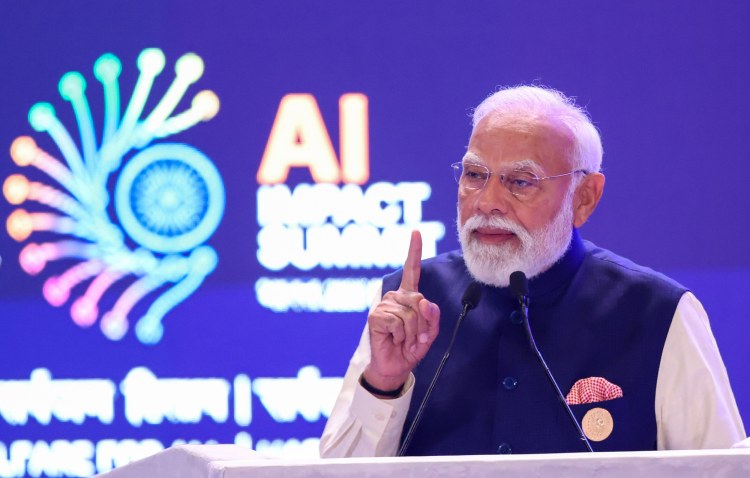
Shaping a Human-Centric Future for AI – AI Impact Summit 2026


At a defining moment in human history, the world gathered at the AI Impact Summit 2026 in New Delhi. For us in India, it was a moment of immense pride and joy to welcome Heads of State, Heads of Government, delegates and innovators from across the world.

India brings scale and energy to everything it does and this Summit was no exception. Representatives from over 100 nations came together. Innovators showcased cutting-edge AI products and services. Thousands of young people could be seen in the exhibition halls, asking questions and imagining possibilities. Their curiosity made this the largest and most democratised AI summit in the world. I see this as an important moment in India’s development journey, because a mass movement for AI innovation and adoption has truly taken off. Human history has witnessed many technological shifts that changed the course of civilisation. Artificial Intelligence belongs in the same league as fire, writing, electricity and the internet. But with AI, changes that once took decades can unfold within weeks and impact the entire planet.

AI is making machines intelligent, but it is even more a force multiplier for human intent. Making AI human-centric instead of machine-centric is vital. At this Summit, we placed human well-being at the heart of the global AI conversation, with the principle of ‘Sarvajana Hitaya, Sarvajana Sukhaya’ (Welfare for All, Happiness of All). I have always believed that technology must serve people, not the other way around. Whether it is digital payments through UPI or COVID vaccination, we have ensured that Digital Public Infrastructure reaches everyone, leaving none behind. I could see the same spirit in the Summit, in the work of our innovators in domains like agriculture, security, assistance for Divyangjan and tools for multilingual populations.

There are already examples of the empowering potential of AI in India. Recently, ‘Sarlaben’, an AI powered digital assistant launched by Indian dairy cooperative AMUL, is providing real-time guidance to 3.6 million dairy farmers, mostly women, about cattle health and productivity in their own language. Similarly, an AI-based platform called Bharat VISTAAR gives multilingual inputs to farmers, empowering them with information about everything from weather to market prices.

Humans must never become mere data points or raw material for machines. Instead, AI must become a tool for global good, opening new doors of progress for the Global South. To translate this vision into action, India presented the MANAV framework for human-centric AI governance.

M – Moral and Ethical Systems: AI should be based on ethical guidelines.

A – Accountable Governance: Transparent rules and robust oversight.

N – National Sovereignty: Respect for national rights over data.

A – Accessible and Inclusive: AI should not be a monopoly.

V – Valid and Legitimate: AI must adhere to laws and be verifiable.

MANAV, which means ‘human’, offers principles that anchor AI in human values in the 21st century.

Trust is the foundation upon which AI’s future rests. As generative systems flood the world with content, democratic societies face risks from deepfakes and disinformation. Just as food carries nutrition labels, digital content must carry authenticity labels. I urge the global community to come together to create shared standards for watermarking and source verification. India has already taken a step in this direction by legally requiring clear labelling of synthetically generated content.

The welfare of our children is a matter close to our hearts. AI systems must be built with safeguards that encourage responsible, family-guided engagement, reflecting the same care we bring to education systems worldwide.

Technology yields its greatest benefit when shared, rather than guarded as a strategic asset. Open platforms can help millions of youth contribute to making technology safer and more human-centric. This collective intelligence is humanity’s greatest strength. AI must evolve as a global common good.

We are entering an era where humans and intelligent systems will co-create, co-work and co-evolve. Entirely new professions will emerge. When the internet began, no one could imagine the possibilities. It ended up creating a huge number of new opportunities and so will AI. I am confident that our empowered youth will be the true drivers of the AI age. We are encouraging skilling, reskilling and lifelong learning by running some of the largest and most diverse skilling programmes in the world.

India is home to one of the world’s largest youth populations and technology talent. With our energy capacity and policy clarity, we are uniquely positioned to harness AI’s full potential. At this Summit, I was proud to see Indian companies launch indigenous AI models and applications, reflecting the technological depth of our young innovation community.

To fuel the growth of our AI ecosystem, we are building a robust infrastructure foundation. Under the India AI Mission, we have deployed thousands of GPUs and are set to deploy more soon. By accessing world-class computing power at highly affordable rates, even the smallest startups can become global players. Further, we have established a national AI Repository, democratising access to datasets and AI models. From semiconductors and data infrastructure to vibrant startups and applied research, we are focusing on the complete value chain.

India’s diversity, democracy and demographic dynamism provide the right atmosphere for inclusive innovation. Solutions that succeed in India can serve humanity everywhere. That is why our invitation to the world is: Design and develop in India. Deliver to the world. Deliver to humanity.

Narendra Modi,

Prime Minister of India

  
****************************************************

Walking every day has many significant health benefits, ranging from improved cognition to better sleep.


What many of us think of as simply a way to get from point A to point B is, in fact, one of the most effective and affordable natural health boosters available. Scientific research shows that walking daily — even for just 30 minutes — delivers benefits that go far beyond burning calories, reaching into brain health, mood, immunity, aging, and overall longevity.

Recent studies reveal that this low impact activity triggers profound changes in the body and mind, making it a cornerstone of healthy living.

Experts highlight the following scientifically backed advantages:

Lifts Your Mood and Fights Depression — Walking prompts the release of endorphins and serotonin, the body’s natural “feel good” chemicals. This helps lower stress and anxiety and can significantly reduce symptoms of depression. Boosts Memory, Focus, and Creativity — Regular walking improves blood flow to the brain, enhancing cognitive functions such as memory, focus, and creative thinking — benefits that are especially noticeable in adults as they age. Strengthens Bones and Joints — As a weight bearing exercise, walking helps maintain bone density, supports joint health, and reduces the risk of osteoporosis.

Regulates Blood Sugar — Taking a walk soon after meals — especially dinner — aids in lowering post meal blood glucose spikes, which helps control diabetes risk. Improves Sleep Quality — Daily walks help balance your circadian rhythm and reduce stress levels, making it easier to fall asleep and stay asleep — particularly when done in daylight.

Strengthens Immunity — Moderate walking boosts circulation and supports the immune system’s ability to defend against viruses and infections, reducing sick days and improving recovery.

Enhances Heart and Metabolic Health — Consistent walking lowers blood pressure, improves cholesterol levels, and supports heart health, helping reduce the risk of cardiovascular disease and type 2 diabetes. Helps You Live Longer — Studies consistently link regular walking with a lower risk of premature death and a healthier aging process, extending lifespan by improving overall physical and mental health.

Tips to Maximize the Benefits

Experts recommend a few simple strategies to boost the impact of your daily walks:

Interval Walking — Alternate brisk and relaxed paces to burn more calories and elevate cardiovascular benefits.

Light Hand Weights — Carrying small weights (1–2 kg) increases muscle engagement and bone strength.

Walk on Varied Terrain — Walking on sand or inclines activates more muscle groups.

Mindful Walking — Focus on your body, breath, and surroundings to enhance psychological benefits.

  
****************************************************

Kuwait will see a total lunar eclipse on March 3 and an annular solar eclipse today


The Al-Ujairi Scientific Center has announced that the world will witness an annular solar eclipse tomorrow, Tuesday, February 17 — known as the “Ring of Fire”, and occurs when the Moon passes directly between the Earth and Sun but appears slightly smaller, leaves a bright halo around its edges will last up to 2 minutes and 20 seconds — followed by a total lunar eclipse on March 3. The Center Director Yousef Al-Ujairi told Kuwait News Agency (KUNA) that the annular solar eclipse is expected around 3:00 PM Kuwait time, but it will not be visible from Kuwait. Its main path will be centered over Antarctica and will extend to parts of South Africa and Chile. Al-Ujairi explained that this will be the first solar eclipse of the year and is marked by a striking optical phenomenon known as the “ring of fire”, which occurs when the moon does not completely cover the sun’s disk due to its relative distance from Earth, leaving a bright ring around the dark lunar disk. The path of the annular eclipse, where the full “ring of fire” is visible, will span approximately 4,282 kilometers.

The eclipse will also be partially visible across a wide geographical area, including Antarctica, Southeast Africa, the southernmost tip of South America, and large portions of the Pacific, Indian, Atlantic, and Southern Oceans. The percentage of the sun’s disk covered will vary depending on location, reaching a maximum of about 88 percent in the Australian Heard and McDonald Islands, as well as in the French Southern Territories and Antarctica. Looking ahead to the total lunar eclipse, Al-Ujairi noted that the moon will turn a dark red color, a phenomenon often referred to as a “blood moon”. This spectacle will last for roughly 58 minutes and will be visible in western North America, Australia, New Zealand, and East Asia.

The peak of the eclipse is expected at 2:00 PM Kuwait time on March 3, although it will not be visible from Kuwait as the viewing regions are concentrated in the Pacific Ocean and western North America.

During the eclipse, the portion of the moon that enters the Earth’s shadow will be approximately 1.15 times its diameter, resulting in the complete disappearance of the lunar disk at the peak. Al-Ujairi emphasized the scientific and educational importance of observing these celestial phenomena, highlighting their role in promoting astronomical awareness and interest within the community.

  
****************************************************

Kuwait opens a historic armaments plant


Prime Minister His Highness Sheikh Ahmed Abdullah Al-Ahmed Al-Sabah, inaugurated the Naif Light Ammunition Factory in a landmark move that strengthens the country’s defense and industrial capabilities. The opening of Kuwait’s first locally operated ammunition manufacturing facility marks the nation’s entry into domestic defense production, reflecting a strategic commitment to enhancing military readiness, developing national expertise, and advancing security infrastructure in accordance with international standards and long-term defense objectives. The ceremony was attended by Minister of Defense Sheikh Abdullah Ali Abdullah Al-Salem Al-Sabah, Undersecretary of the Ministry of Defense Sheikh Dr. Abdullah Meshaal Mubarak Abdullah Al-Sabah, along with senior commanders of the Kuwaiti Armed Forces and high-ranking officials. During the event, His Highness the Prime Minister launched the production line by pressing the operational start button, signaling the commencement of light ammunition manufacturing at the facility. He later toured the factory, where officials presented a detailed briefing on operational stages and production mechanisms, reports Al-Rai daily.

The facility represents the first experience of the Ministry of Defense in ammunition manufacturing and is the first factory of its kind in Kuwait. Production processes are carried out in accordance with the highest international standards of quality and safety, meeting the requirements of the North Atlantic Treaty Organization (NATO) for light ammunition manufacturing. In a press statement, the Prime Minister described the project as a strategic addition to Kuwait’s defense capabilities and a reflection of the state’s firm commitment to strengthening the national security and military system using advanced technical standards. He praised the national workforce involved in completing the project and expressed confidence in their ability to efficiently operate and manage the facility.

His Highness emphasized that the factory represents a new step toward reinforcing national security, safeguarding stability, and protecting the country’s territorial integrity under the leadership of His Highness the Amir Sheikh Mishal Al-Ahmad Al-Jaber Al-Sabah and His Highness the Crown Prince Sheikh Sabah Khaled Al-Hamad Al-Sabah. The inauguration of the Naif Light Ammunition Factory marks Kuwait’s entry into domestic ammunition production, reinforcing its defense infrastructure while supporting the development of national industrial capabilities aligned with long-term security objectives.

  
****************************************************

India leads the global AI race as world leaders convene for a historic summit


India is hosting a major global artificial intelligence summit this week, bringing together world leaders, technology executives, policymakers, and innovators to address some of the most pressing challenges posed by rapidly advancing AI technologies, including job disruption, digital safety, and ethical governance.

Prime Minister Narendra Modi inaugurated the five-day AI Impact Summit in New Delhi today, describing the event as a milestone that reflects India’s accelerating progress in science and technology and highlights the capabilities of the country’s youth, Indian news agencies report.

The summit aims to establish a “shared roadmap for global AI governance and collaboration” amid growing international debate over regulation and responsible innovation.

Organizers expect around 250,000 participants, including more than 20 heads of state and 45 ministerial delegations, making this the largest edition of the summit to date.

The gathering comes at a pivotal moment as artificial intelligence reshapes economies, transforms labour markets, and raises complex questions surrounding security, ethics, and regulation.

Artificial intelligence has rapidly moved from experimental innovation to a central force driving global transformation. From generative AI systems capable of producing text and images to advanced applications in healthcare, defense, and climate modelling, governments and corporations worldwide are racing to harness its potential while managing associated risks.

Previously hosted in France, the United Kingdom, and South Korea, the summit has evolved from a narrowly focused discussion on AI safety into a broad global platform addressing innovation, trade, governance, and economic opportunity.

India views the event as an opportunity to position itself as a bridge between advanced economies and the Global South. Officials highlighted the country’s experience in developing large-scale digital public infrastructure — including digital identity and payment platforms — as a model for deploying AI at scale while maintaining affordability and accessibility.

India’s Minister for Electronics and Information Technology, Ashwini Vaishnaw, emphasized that artificial intelligence should serve humanity by promoting inclusive growth and sustainable development, stating that the ultimate goal is to ensure AI contributes positively to society and the planet.

Among the prominent global participants are French President Emmanuel Macron and Brazilian President Luiz Inácio Lula da Silva, alongside leading technology executives including Sundar Pichai, Sam Altman, Cristiano Amon, Brad Smith, and Yann LeCun.

The summit is structured around three central themes — “people, progress, and planet,” described by organizers as the “three sutras.” While the gathering is not expected to produce a legally binding agreement, it may conclude with a nonbinding declaration outlining shared goals for AI development and cooperation.

Experts anticipate discussions will focus on balancing innovation with safeguards, ensuring governments establish regulatory guardrails without slowing technological advancement.

Analysts note that increased public investment and stronger international partnerships will likely be key topics as nations seek to integrate AI responsibly into the global economy.

Since the first AI summit in 2023 — held shortly after the launch of ChatGPT sparked worldwide excitement and concern about generative AI — such meetings have grown rapidly in scale and ambition. The New Delhi summit reflects how artificial intelligence has become one of the defining geopolitical and economic issues of the modern era.

As global competition intensifies, India hopes the gathering will reinforce its emerging role as a major player shaping the future direction of artificial intelligence and its impact on humanity.

  
****************************************************

India commemorates the National and Liberation Days of Kuwait


In a reaffirmation of the strengthening bilateral ties between India and Kuwait, senior Union Minister for Culture and Tourism Gajendra Singh Shekhawat served as the chief guest at a special function held in New Delhi to celebrate the 65th Anniversary of Kuwait’s National Day and the 35th Anniversary of its Liberation Day.

Upon arrival, the Minister was warmly welcomed by Ambassador Alshemali and his wife, who escorted him to the welcome podium.

A senior minister in the current Indian government, Gajendra Singh Shekhawat hails from Rajasthan—a state renowned for its rich history, vibrant traditions, and cultural heritage. Ambassador Alshemali presented the chief guest with a traditional Kuwaiti gown (bisht) and memorabilia featuring the iconic Kuwaiti dhow—a sailing vessel that symbolizes centuries-old maritime and trade links between the two nations. For over three hundred years, Kuwaiti seafarers navigated these dhows to India for commerce and cultural exchange.

The ceremony commenced with the national anthems of both countries resonating through the hall. Minister Shekhawat then joined Ambassador Alshemali in cutting the ceremonial cake to mark the joyous occasion.

Later, the Minister and Ambassador posed for photographs with diplomats from the Gulf Cooperation Council (GCC) countries, other Arab nations, and representatives from various countries worldwide

The celebration brought together a distinguished gathering of diplomats from numerous nations, underscoring Kuwait’s respected position and strong diplomatic standing in the international community.

Kuwait’s National Day, observed annually on February 25, commemorates the country’s independence in 1961 and the ascension of Sheikh Abdullah Al-Salem Al-Sabah, marking the beginning of an era of sovereignty and prosperity. Liberation Day, celebrated on February 26, honours the liberation of Kuwait from Iraqi occupation in 1991.

The presence of senior India Minister highlights the deepening friendship and mutual respect between India and Kuwait, rooted in historical ties and shared aspirations for progress and cooperation.

  
****************************************************
 
  
IFL Kuwait